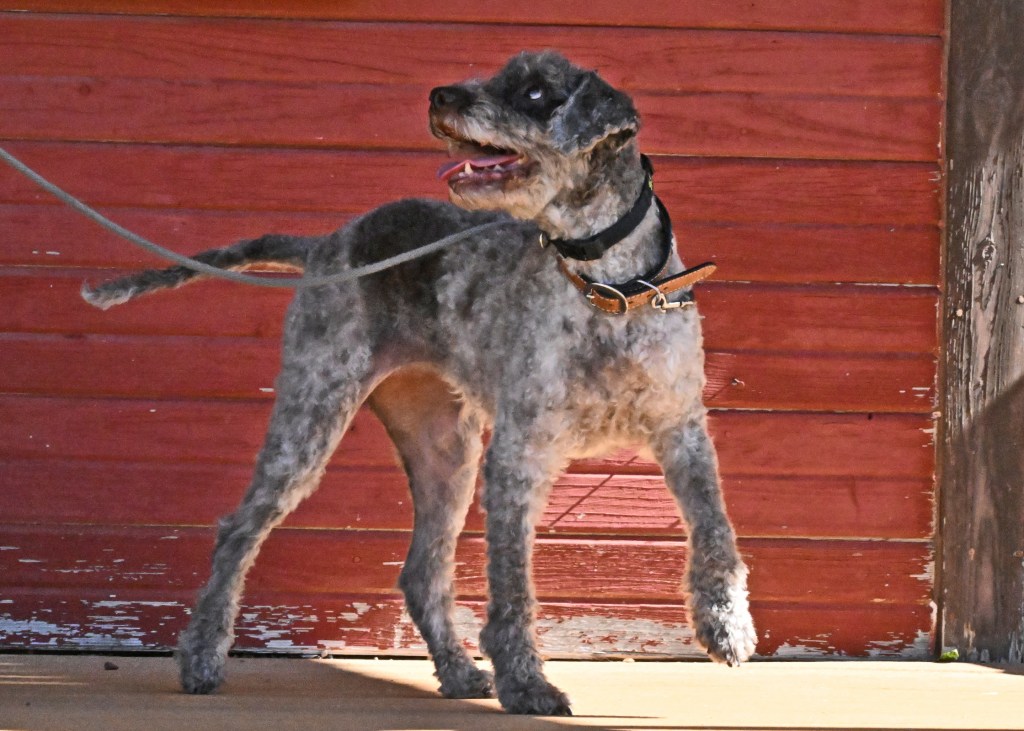
I finished the second iteration of my Detective class last month, and have been very pleased with how it went. This group of students was very different from my first, and they really did well! I am continuing to make adjustments to the curriculum.
I am after the holy grail of the Detective level: how to search this at this level of complication and get all of the hides. One of the most common problems at the Detective level is that one hide gets left behind. This is what I hear from even very experienced teams, even teams who have gotten the Detective title, and this is what I experienced myself with Astra.
Most folks teaching at this level are just setting big searches and letting people practice, and that is certainly one way to do it. God knows we all need the practice.
But as I wrote in my last blog post, I am determined to figure out a more systematic approach, and to teach that to other people. Knowledge is not fun unless it is shared.
I have devised a two step approach to solving the Detective problem. The first is to address the handler memory problem. The second is to address systematic searching.
The Memory Problem
I know that many people use counting beads or other devices to help them remember how many hides they have found . I find that it is important not to just remember how many hides you have but also where they are. You cannot help your dog search effectively if you don’t know where you have already been, and if you are rewarding your dog and moving on in a rush, you are not going to remember.
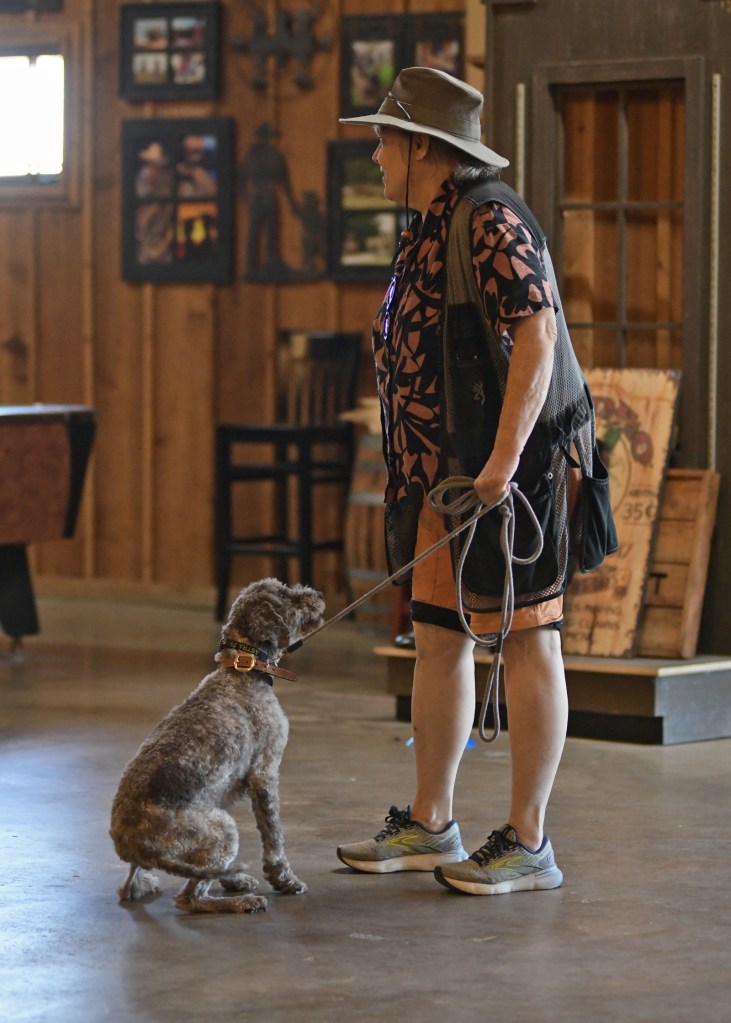
I wrote extensively about the effect of trial stress and memory in this blog (Why We Are All So Stupid At Trials) and this stress is magnified in Detective. I have experienced more than one Detective search where I became completely disoriented as to where we had searched and simply floundered around the search area, re-calling hides that we had already found, until we ran out of time.
To improve memory, I use a drill in which the handler utilizes a “rehearsal” technique to remember the hides and where the team has been. Rehearsal is a proven trick to increase retention by repeating something verbally, out loud.
As the dog finds hides, and the handler gets the “yes” confirmation, she marks the location of the hide by naming the object and some way to identify the position. For example, if the hide is on a chair in the room, the handler would say out loud “one: chair by the door.” To do this effectively, you have to stop, look around the area, and really see where you are. This grounds you, reduces the panic, and orients you in the search area.
Systematic Searching
The second step is to produce more systematic searching, and introduce handler involvement to make sure the area is covered. To do this, I have the students “chunk” the search area into sections during the walk through. They can then use these sections to make sure the whole area is searched thoroughly. After moving into a section, the team needs to remain in that section until the handler is sure that they have found all of the hides in that area.
Sounds simple, right? Oh yes, but in order to make this really work, WITHOUT frustrating your dog, there are conditions:
- Dog gets to choose where to go first (dogs will generally move towards odor)
- If the dog is working a hide OUTSIDE the boundaries of the section you are working, you let the dog work that hide, and then return to the section
- The chunks, or sections, need to make sense to the dog, NOT the handler. So you need know something about odor theory in order to make this work, AND you need to be flexible enough to combine sections if you decide that you have not chunked it optimally.
Now, if you have a dog that is really willing to work with you, and will tolerate being pulled off a hide, then you might be able to ignore rules two and three. I have seen dogs like this from time to time. I don’t happen to own one of them, and most of the dogs I work with are less forgiving. Most dogs will shut down if you micro manage them too much.
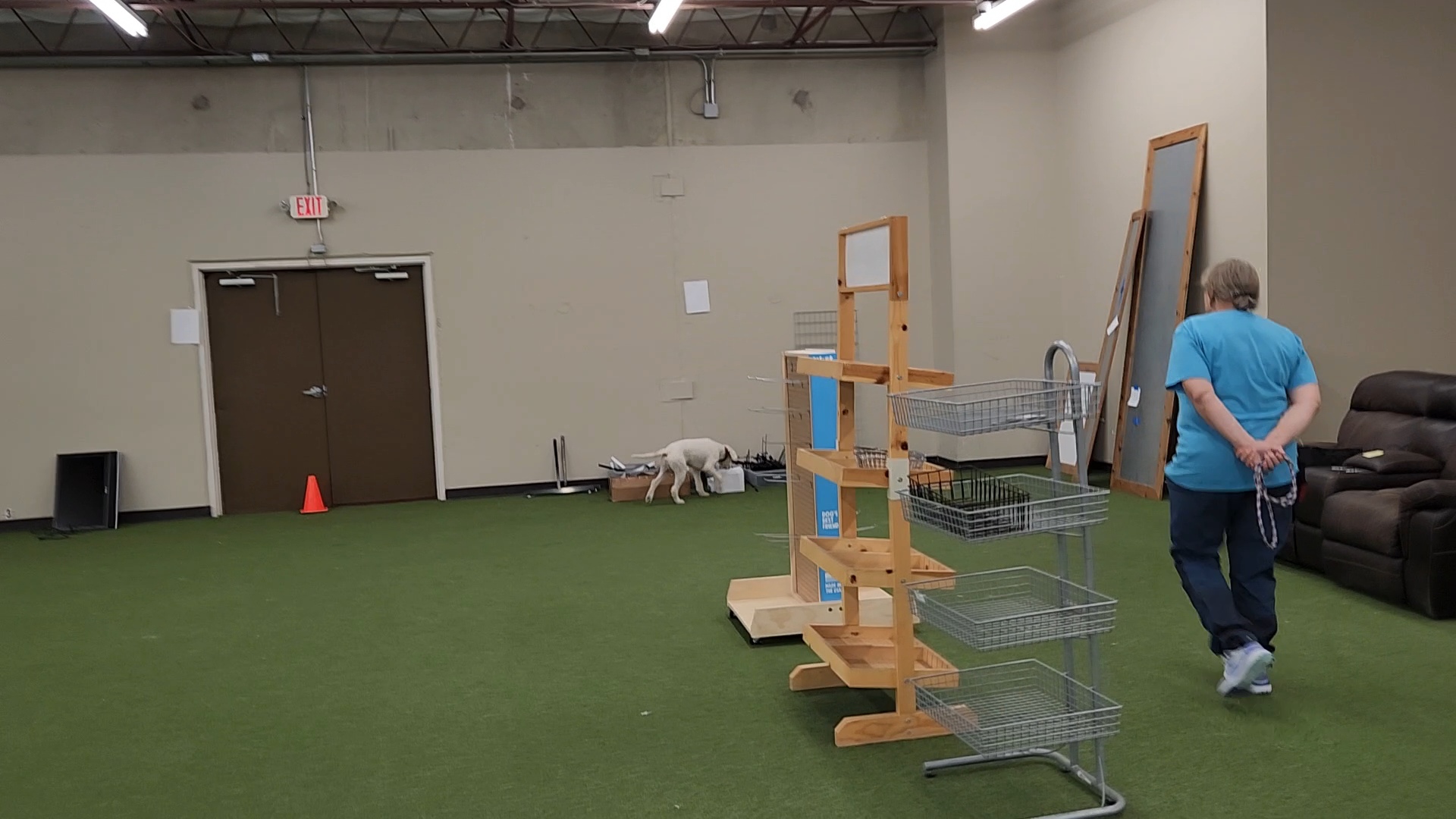
To teach this skill, I have created a game called “Mother May I.” The game goes like this: The instructor sets up a Detective search, and the class discusses how to chunk the search into sections. Then we work one at a time, just like a trial situation.
Once the search has started, the student must stay within the section that they started working until they are sure the dog has exhausted the area, and then they ask the instructor “may I leave the area?” If all of the hides in that section are found, the instructor says “yes,” and the handler moves to the next section. If all the hides in that section have not been found, then the instructor says “no” and the team continues to work in that section. If the handler needs to let the dog leave the section to work another hide (some hides will just pull the dogs like magnets), they say “actively working” and the instructor lets them leave, but reminds them that they need to go back to original section.
This game teaches the handler to stop worrying about the big search and just concentrate on the one small part until they are done with it. It also helps give them an intuitive feel for being done with an area.
You have to practice this game a lot to get good at it, but so far I have gotten some great feedback on it. I have been practicing it also, in preparation for Yeti’s first Detective run in a few weeks. We shall see. I am sure that I will find that more improvements are in order. Learn, Unlearn, Re-Learn.
Want to get these posts delivered to your email? Scroll up to find the black Subscribe box!


 Sniffing Around Scent Work
Leave a reply to stephenssandrasbcglobalnet Cancel reply